


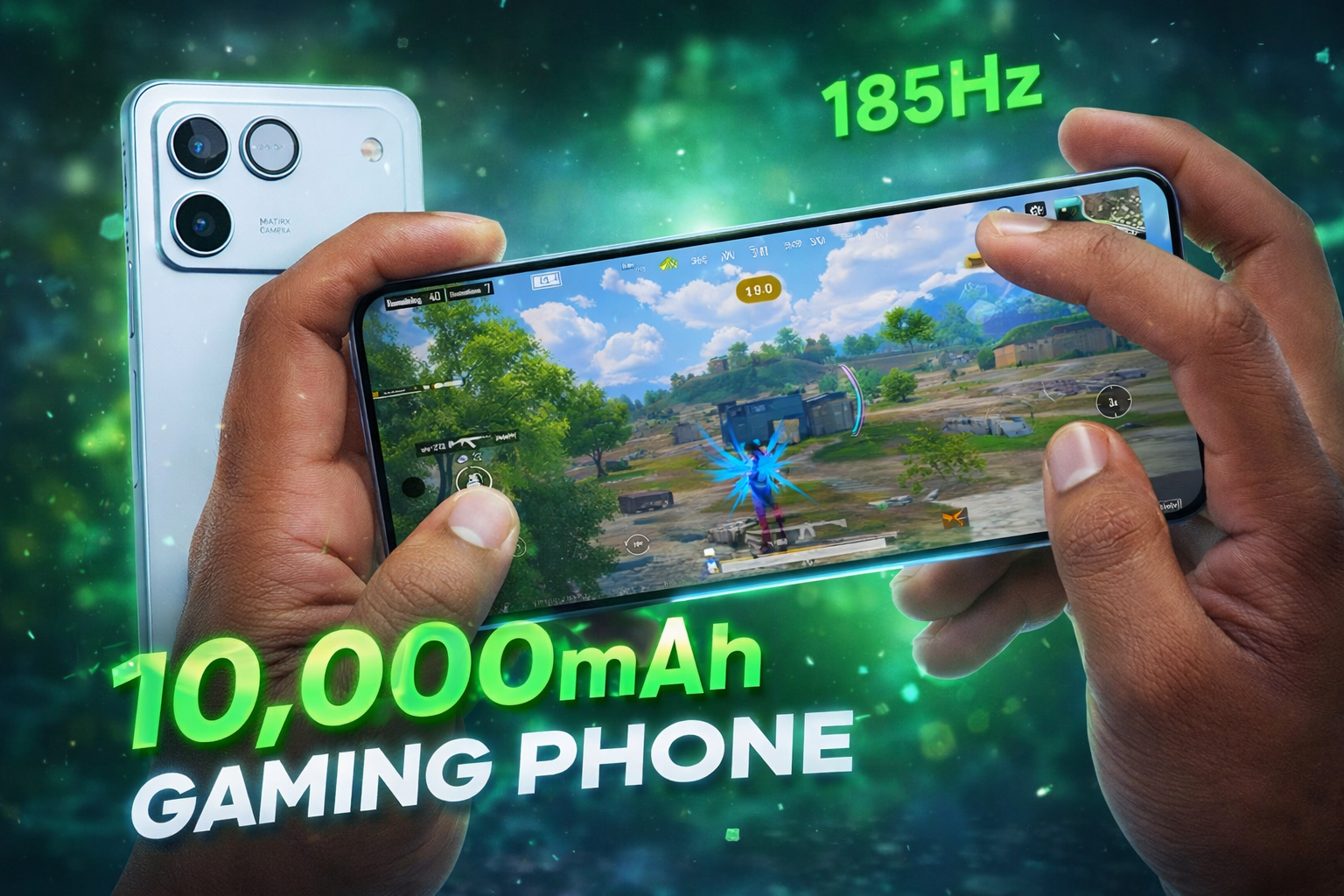
Honor 10,000mAh Gaming Phone Review: A Battery Monster Built for Serious Gamers
Gaming smartphones have become increasingly powerful over the last few years, but most of them
still struggle with one major limitation: battery life.
The Honor 10,000mAh Gaming Phone takes a very different approach.
Instead of chasing ultra-thin designs, this device focuses on raw performance, thermal stability,
and endurance that can last far beyond a single day of heavy gaming.
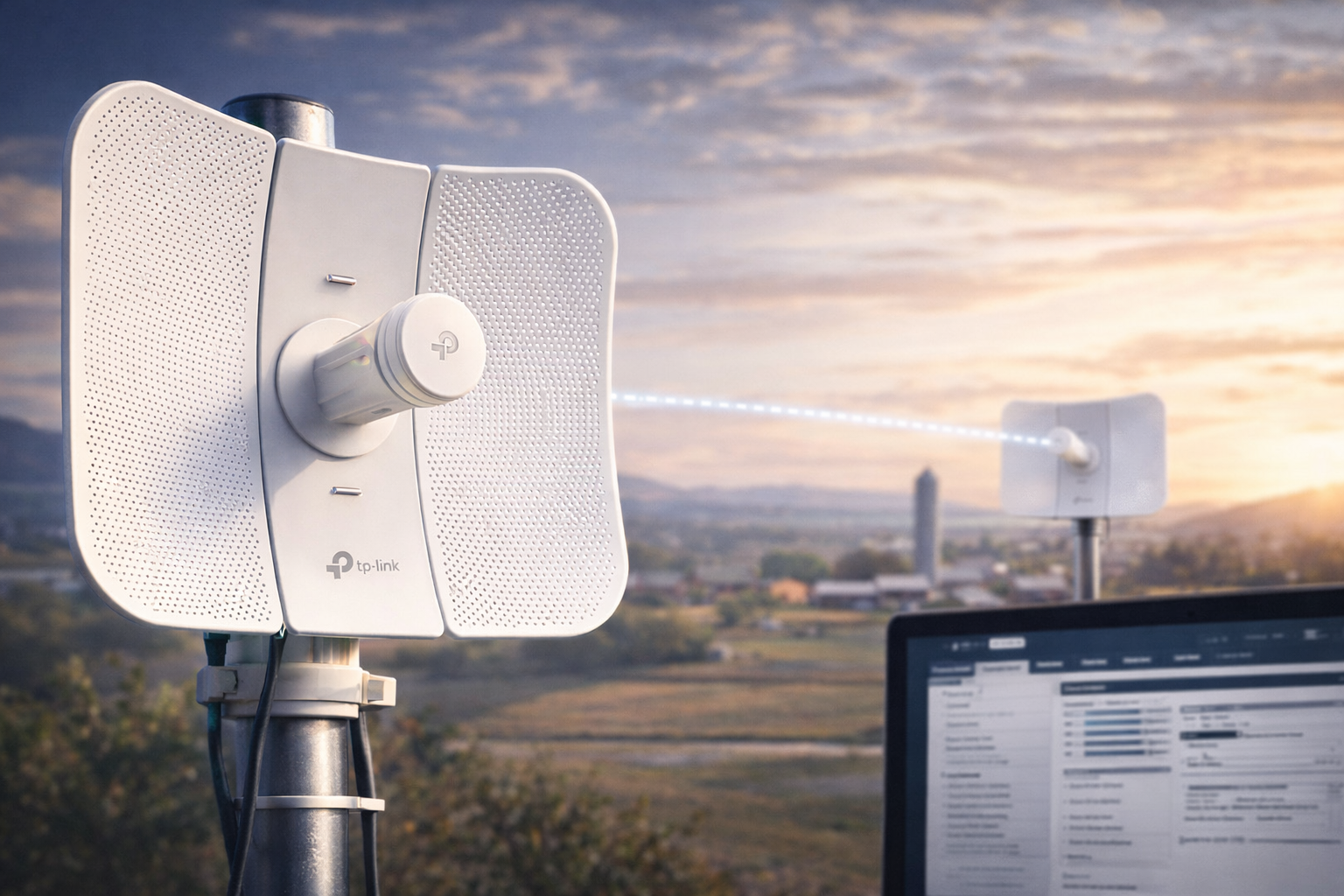
Building Long-Distance Wireless Links: A Practical Review of TP-Link AC867 Outdoor CPE
Creating a stable internet connection between two distant locations is a challenge many users face, whether it’s linking a house to a workshop, extending internet access across a farm, or connecting two buildings without running long Ethernet cables.
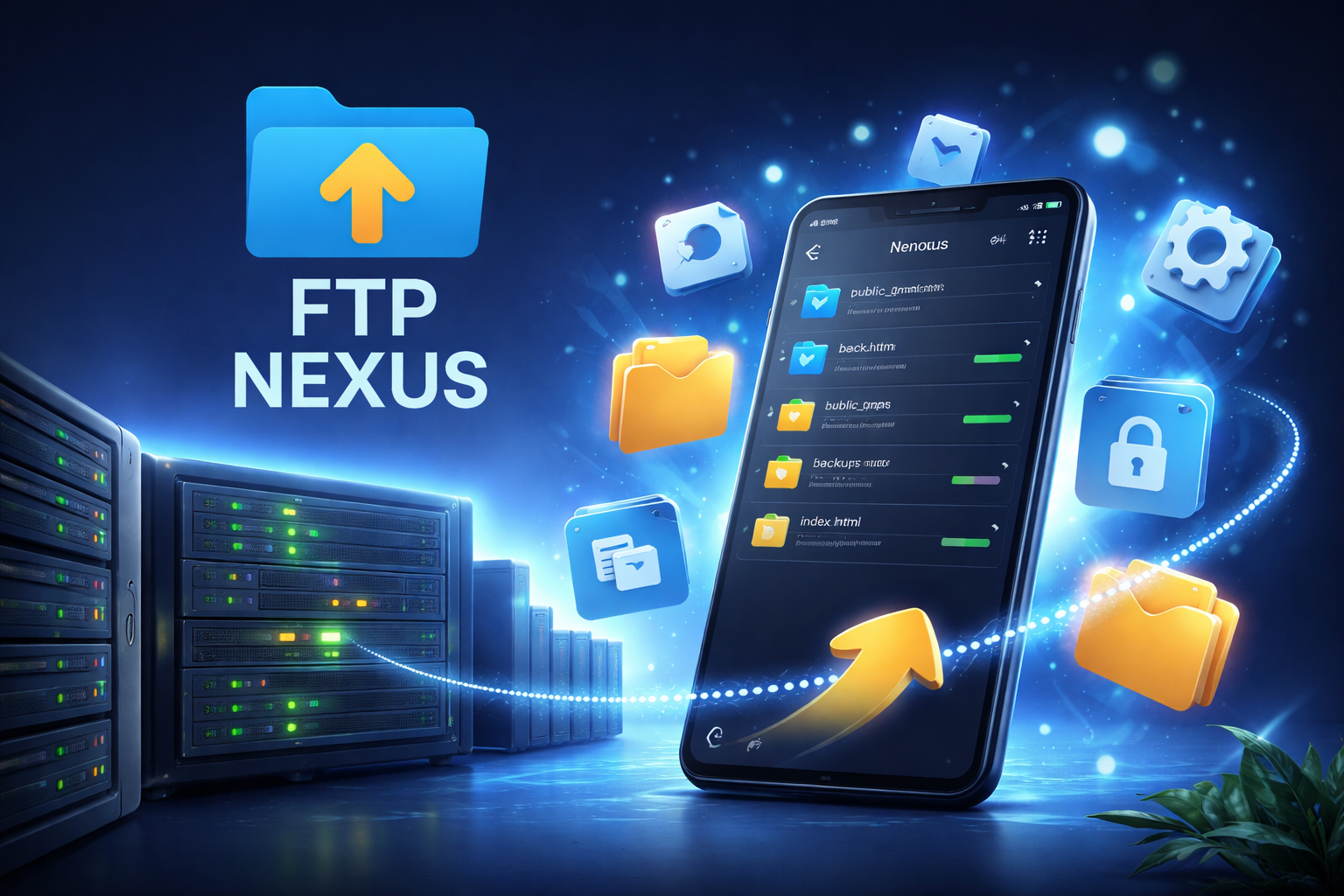
FTP Nexus Review: A Simple and Reliable FTP Client for Android
Managing files between a mobile device and a remote server has become an essential task for developers, website owners, and IT professionals. FTP Nexus is an Android application designed to make FTP file transfers simple, secure, and efficient.

Suno AI Review: Creating Music with Artificial Intelligence
Artificial intelligence is transforming creative industries, and music production is no exception. Suno AI is an innovative platform that allows users to generate full songs using AI, including lyrics, vocals, and instrumental arrangements.
 Add to favorites
 Share Facebook
 Share Twitter
 Share via Whatsapp
 Pin it - Pinterest
-
 Report!
  Web Site Official
 Available on google play
Nasa | AZROTV
NASA TV (originally NASA Select) is the television service of the National Aeronautics and Space Administration (NASA). It is broadcast by satellite with a simulcast over the Internet. Local cable television providers across the United States and amateur television repeaters may carry NASA TV at their own discretion, as NASA-created content is considered a work of the U.S. government and is within the public domain. NASA TV is also available via various cable, satellite, and over-the-top media services around the world. The network was formally created in the early 1980s to provide NASA managers and engineers with real-time video of missions.[3][4] NASA has operated a television service since the beginning of the space program for archival purposes, and in order to provide media outlets with video footage.[5]
The network airs a large amount of educational programming, and provides live coverage of an array of manned missions (including the International Space Station), robotic missions, and domestic and international launches. The network completed its conversion from analog to digital transmission in late 2005 following the launch of STS-114, ending a period of dual analog and digital broadcasting, although some cable television systems may still have transmitted in analog prior to the U.S. digital television transition. The satellite link uses the DVB-S system for transmission.
Algeria
Arabic tv
Azerbijan
Brazil
Channels Islamic
Egypt
France
Germany
India
Iran
Iraq
Italy
Jordan
Kurdish
Kuwait
Lebanon
Libya
Morocco
News TV
On Test
Palestine
Portugal
Qatar
Russia
Saoudia Arabia
Scandinave
Spain
Sports
Sudan
Syria
Tunisia
Türkiye
UAE
United states
World Wide tv
World Wide tv 2
Yemen
KIDS
Others
Arabic Channels
2M Morocco Live

